
We believe healing happens through safety, relationship, and intentional care.
Our clinicians offer grounded, trauma-informed therapy that honors the complexity of each person’s experience.
Our Team
Find support for what you’re navigating and how you want life to feel.
Whether you’re facing anxiety, recovering from trauma, adjusting to parenthood, or finding your way through midlife, our therapists offer different areas of expertise and a shared commitment to collaborative care.
Explore our team below, or contact us for help finding a therapist whose approach, availability, and services fit your needs.
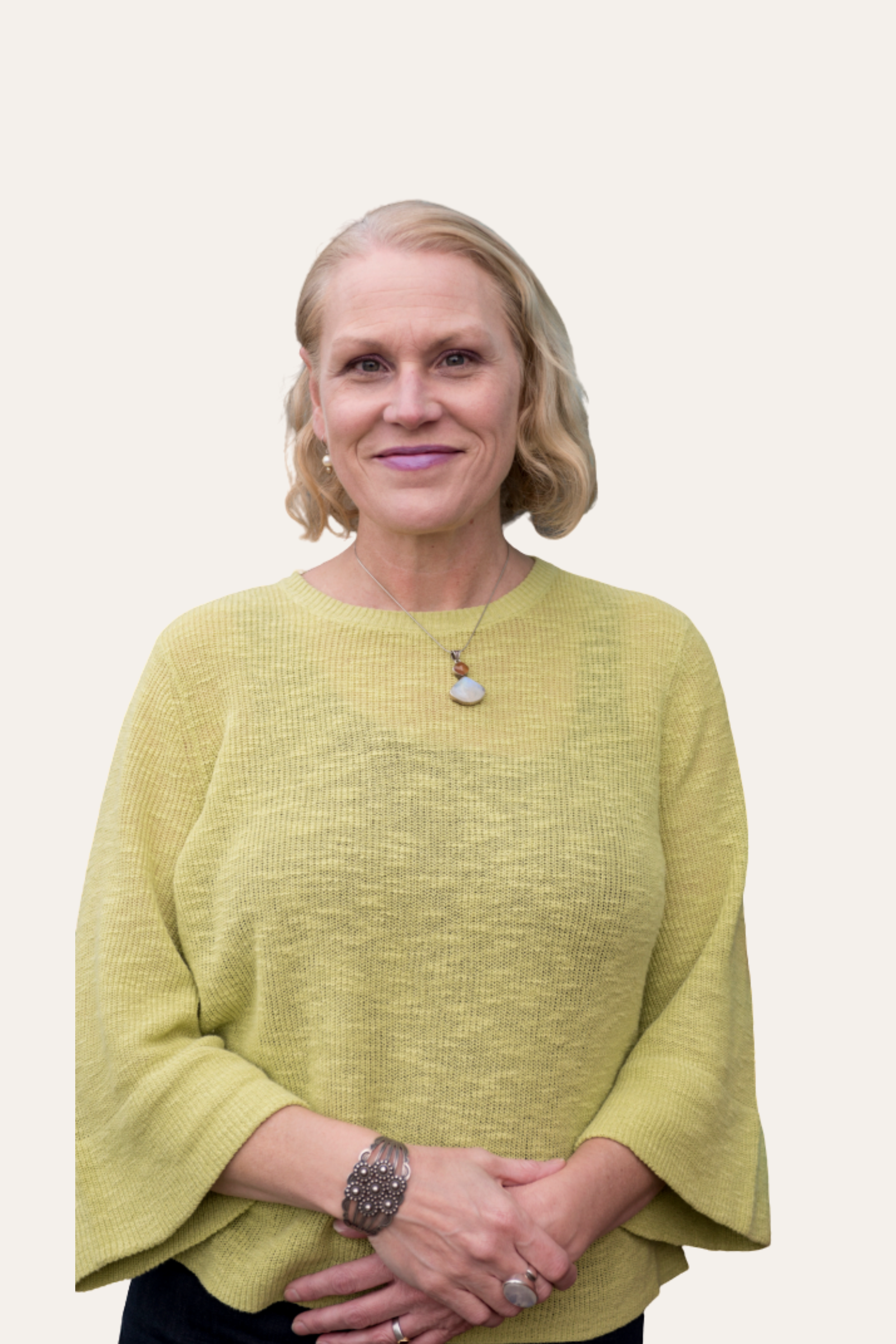
Erin Webb LPC, ATR (she/her)
-
Perimenopause & Menopause
Anxiety/Depression
Major transitions
Highly Sensitive People
Recovery from trauma and toxic relationships,
Inner Child Healing & Life Transitions
-
You may understand your patterns but still find yourself overwhelmed, doubting your choices, or putting everyone else first.
Erin brings over 30 years of experience working with women, children, and families. Her warm, interactive approach supports adults working toward clearer boundaries, greater self-understanding, and more confidence in daily life.
Alongside conversation, Erin incorporates art therapy, EFT tapping, Flash Technique, parts work, and mindfulness. These offer different ways to explore difficult feelings and experiences, including when words feel limited or recounting painful memories feels daunting. No artistic experience is needed.
-
Tuesdays: 2:00–5:00 pm
Wednesdays: 3:00–6:00 pm
In Network with Aetna, Moda pending BCBS
Mental Health Therapist

Miranda Clark, LPC (she/her)
Mental Health Therapist
-
• Pregnancy & Postpartum Mental Health
• Transition to Parenthood
• Fertility Challenges & Reproductive Experiences
• Reproductive Grief & Loss
• Anxiety & Trauma
• Couples Therapy
• Communication & Relationship Connection
• Family Planning & Preparing for Parenthood -
Miranda supports adults and couples through pregnancy, postpartum, reproductive experiences, and the transition to parenthood. She is especially drawn to helping new and expecting parents who feel overwhelmed, disconnected, or surprised by how much these experiences have changed their lives, relationships, and sense of self.
Her approach is collaborative and compassionate, honoring both the mind and the body. Trained in the Gottman Couples Therapy Method, Miranda helps partners strengthen communication, navigate changing roles, and build connection as they move through life's transitions together.
Miranda is committed to ongoing training in perinatal mental health and somatic approaches. She offers a steady, supportive space to feel understood, explore your needs, and find your footing, both as an individual and within your relationships.
-
Miranda joins Hidden Trails Therapy on October 12 and will offer appointments Monday through Wednesday.
Please contact us to learn more about upcoming openings for individual and couples therapy.
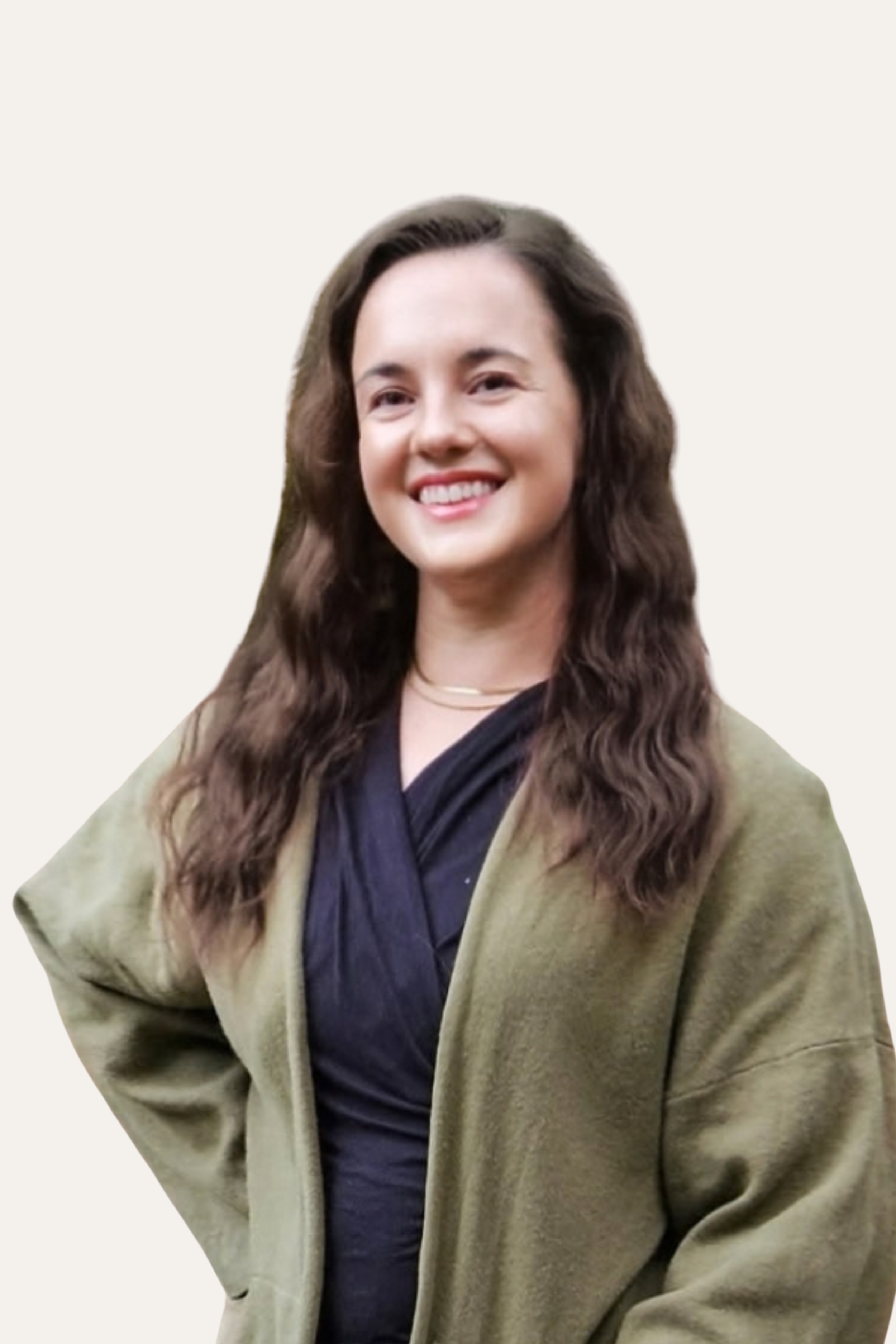
Ashley Vande Slunt, LMFT (She/her)
-
Anxiety, burnout, and compassion fatigue
Trauma-informed and attachment-based therapy
EMDR Therapy & EMDR Intensives
Ketamine Assisted EMDR Therapy™
Somatic and nervous system–informed practices, including Neurogenic Yoga+TRE
Psychedelic Prep & Integration
First Responders & Healthcare Professionals
Adult children of Emotionally Immature Parents
Women’s Mental Health and Life Transitions including Perinatal and Postnatal care
-
Ashley is the founder and clinical director of Hidden Trails Therapy. She is a Licensed Marriage and Family Therapist with advanced training in trauma-informed and integrative approaches that honor both the mind and the nervous system.
Ashley specializes in working with women navigating anxiety, life transitions including peri and postnatal care, first responders and healthcare professionals, burn out, trauma, including adult children of emotionally immature or narcissistic parents. Her work is grounded in attachment-informed care and nervous system regulation, supporting clients in developing greater safety, clarity, and self-trust.
Ashley approaches therapy as a collaborative and paced process, honoring each client’s lived experience while integrating evidence-based and somatic-informed practices. As Clinical Director, she provides clinical leadership, consultation, and mentorship within the practice to ensure care remains ethical, attuned, and aligned with the values of Hidden Trails Therapy.
Outside of the therapy space, Ashley values time in nature, movement, and moments of restoration that support nervous system balance and sustainability.
📍 Licensed in Oregon & Colorado
-
Contact for Information
Clinical Director/Founder
Not Sure Who's Right for You?
You don't have to figure this out alone. Tell us a little about what brings you in, and we'll match you with the clinician on our team best suited to support you.


What Sets Us Apart
Attuned, Trauma-Informed Care
We approach therapy with an understanding of how trauma, stress, and relationships live in both the mind and the nervous system. Our work is paced, collaborative, and grounded in safety, allowing meaningful change to emerge without pressure or urgency.
A Thoughtfully Built Team
Hidden Trails Therapy is intentionally small. Each clinician is carefully selected for their training, values, and ability to offer affirming, non-pathologizing care. While our clinicians bring different therapeutic approaches, we share a common philosophy rooted in respect, curiosity, and integrity.
Depth Without Overwhelm
We value clarity, simplicity, and sustainability in the therapeutic process. Whether through ongoing therapy or specialized services, we focus on helping clients move toward lasting change in ways that feel supportive, manageable, and aligned with their lived experience.
Join Our Growing Team
We are looking for Licensed Professional Counselors/Therapists to join the team. Interested in applying? Click below to learn more and start your application.